What are the first steps after finding mold?
Upon discovering mold, the first step is to ensure the area is well-ventilated to reduce exposure to spores. Open windows and doors to allow fresh air to circulate, but avoid using fans as they can spread spores. It's crucial to minimize disturbance to the mold, such as by not touching or attempting to clean it without proper precautions. Assess the extent of the mold by checking adjacent areas for visible signs or musty odors, which can indicate a larger problem. If you're unsure about the severity, err on the side of caution and contact a mold removal service in Teaneck for a professional evaluation. They can provide a thorough inspection and determine the best course of action. Document the mold with photos and notes, which can be useful for insurance claims or when consulting with professionals.
How to contain the affected area?
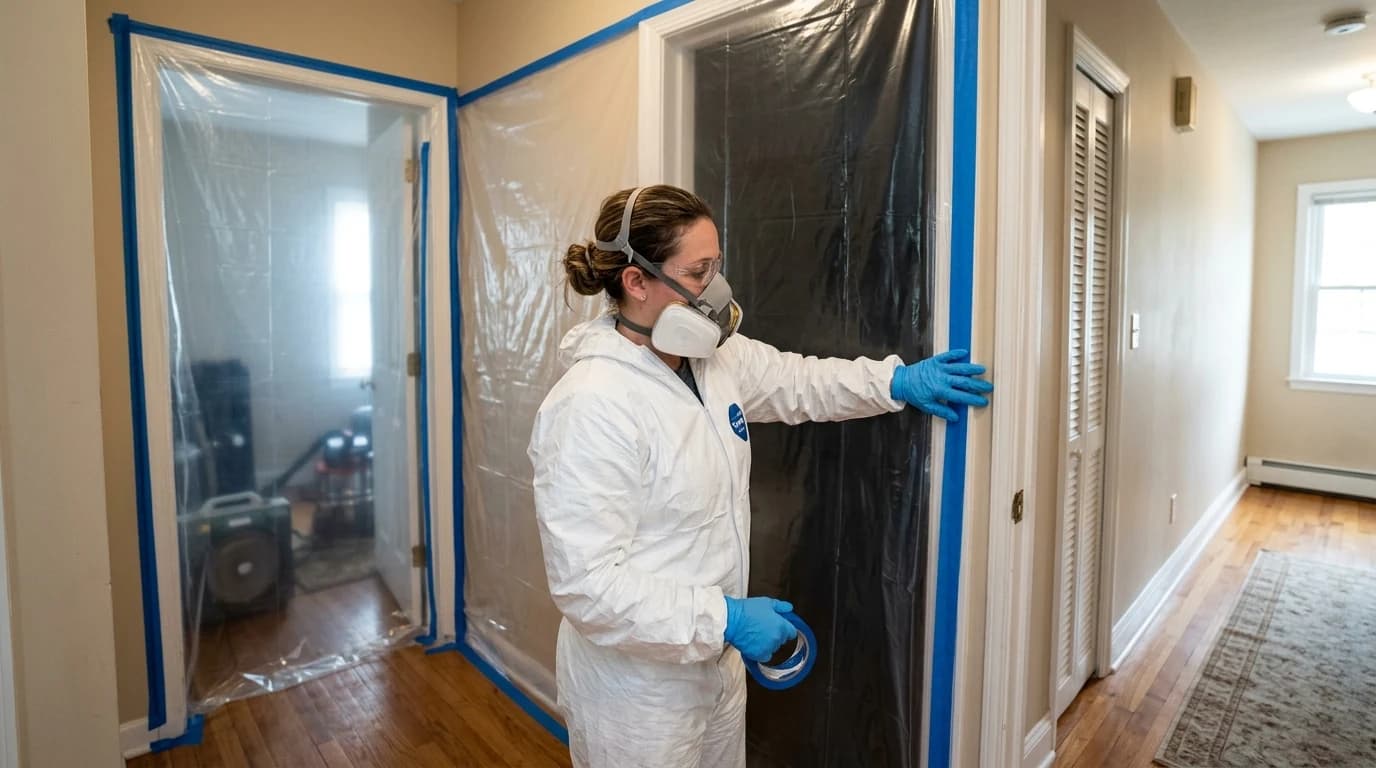
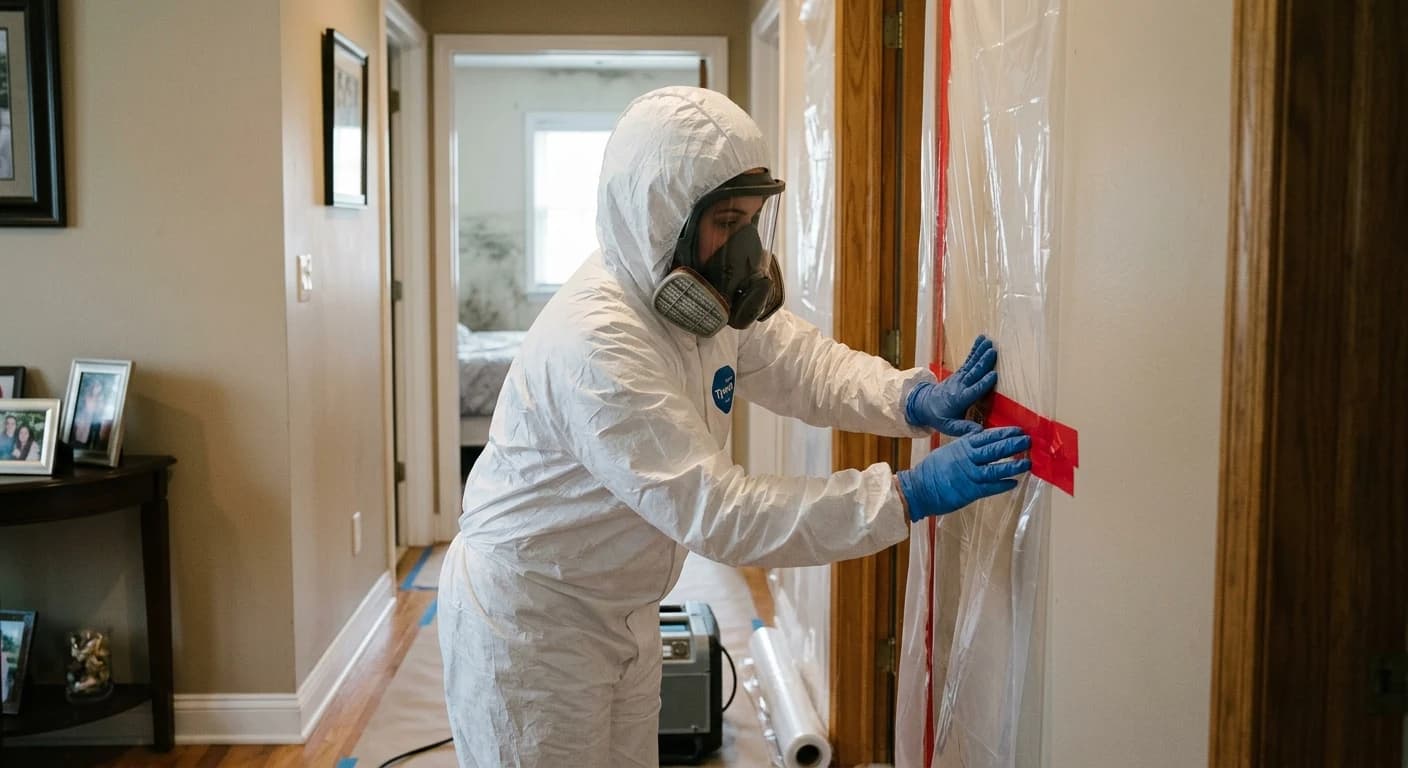
Seal off the affected area to prevent spores from spreading to other parts of your home. Use heavy-duty plastic sheeting to cover doorways and seal air vents with duct tape. This containment helps minimize the risk of mold spreading, especially during cleaning or removal processes. It's also wise to turn off HVAC systems to avoid circulating spores throughout the house. Ensure that any individuals who enter the area wear protective gear, such as masks, gloves, and goggles, to protect against inhaling or coming into contact with mold spores. For added safety, consider setting up a decontamination zone near the entry to the affected area to remove protective gear safely. For thorough containment and removal, consulting professionals is advisable. They have specialized equipment and materials designed for effective containment. Contact us for professional help.
Should you attempt DIY removal?
While minor mold issues can be handled with DIY methods, such as using a mixture of water and vinegar or baking soda for small patches, extensive mold requires professional intervention. DIY removal can be risky if not done correctly, potentially escalating the problem by spreading spores or failing to address the underlying moisture issue. Professionals have the tools and expertise to safely and effectively remove mold, ensuring it does not return. They use advanced techniques like HEPA vacuuming and antimicrobial treatments to not only remove visible mold but also reduce airborne spores and prevent regrowth. Additionally, professionals can identify the source of moisture that is feeding the mold, such as leaks or condensation, and provide solutions to mitigate these issues. Attempting to tackle a large mold problem on your own can lead to incomplete removal and potential health risks, making professional services a safer and more effective option.
How to prevent future mold growth?
Preventing mold growth requires addressing the root causes that allow mold to thrive, primarily moisture control. Start by inspecting your home for any leaks, particularly in basements, attics, and around windows. Repair any leaks immediately to prevent moisture accumulation. Ensure that your home is well-ventilated; use exhaust fans in bathrooms and kitchens to reduce humidity levels. Consider investing in a dehumidifier, especially in areas prone to dampness, to maintain indoor humidity levels below 60%. Regularly clean and maintain your HVAC system to prevent mold from spreading through air ducts. Additionally, ensure that gutters and downspouts are functioning properly to direct water away from your home’s foundation. If you live in NJ, where humidity can be high, these measures are particularly important. Regularly check areas like crawl spaces and behind furniture for signs of dampness or mold. By staying vigilant and addressing moisture issues promptly, you can significantly reduce the risk of mold growth in your home.
When to consult a mold remediation professional?
Consulting a mold remediation professional is advisable when mold covers a large area, typically more than 10 square feet, or if you experience persistent health symptoms like allergies or respiratory issues. Professionals are trained to handle extensive mold problems safely and effectively, using specialized equipment to remove mold and treat affected areas. If mold is present in hard-to-reach places, such as inside walls or under flooring, professional intervention is crucial to ensure thorough removal. Additionally, if you notice recurring mold despite previous cleaning efforts, it could indicate an underlying issue that requires professional assessment. Mold remediation experts can identify and address the source of moisture that is fueling mold growth, such as plumbing leaks or poor ventilation. They can also provide guidance on preventive measures to avoid future infestations. If you’re unsure about the extent of the mold problem or the best approach to take, consulting a professional can provide peace of mind and ensure your home is safe and mold-free.
What protective gear is necessary for mold removal?
When dealing with mold, safety should be your top priority, as exposure can lead to health issues such as respiratory problems and allergic reactions. Proper protective gear is essential to minimize these risks. Start with a high-quality respirator or face mask to prevent inhaling mold spores. N95 masks are a popular choice for their effectiveness in filtering out airborne particles. Next, wear gloves made of rubber, nitrile, or latex to protect your skin from direct contact with mold and cleaning agents. Long-sleeved clothing and long pants are recommended to cover exposed skin, and it's wise to use disposable coveralls that can be discarded after use to prevent cross-contamination. Goggles without ventilation holes are crucial to protect your eyes from spores and potential irritants. Ensure that the area is well-ventilated while you work, but avoid using fans that could spread spores. After completing the task, carefully remove and dispose of all protective gear, washing any reusable items thoroughly. By taking these precautions, you can safely manage minor mold issues while minimizing health risks.
How to choose a reputable mold remediation service?
Selecting a reputable mold remediation service is crucial to ensure effective and safe mold removal. Start by researching local companies with a strong presence and positive reviews. Check for certifications from recognized organizations, such as the Institute of Inspection, Cleaning and Restoration Certification (IICRC) or the National Organization of Remediators and Mold Inspectors (NORMI), which indicate adherence to industry standards. Ask for recommendations from friends or family who have dealt with mold issues. When contacting potential services, inquire about their experience with similar mold problems, especially if you have specific concerns like black mold or mold in challenging locations. Request a detailed estimate that outlines the scope of work, including inspection, removal, and preventive measures. A reputable service should be willing to explain their process and answer any questions you have. Additionally, verify that they have proper insurance coverage to protect against any accidental damage during the remediation process. By thoroughly vetting potential companies, you can choose a service that will effectively address your mold problem and help prevent future occurrences.
What are the health risks associated with mold exposure?
Understanding the health risks associated with mold exposure is crucial for taking appropriate action. Mold spores can trigger a range of health issues, particularly for individuals with allergies, asthma, or compromised immune systems. Common symptoms include nasal congestion, throat irritation, coughing, and skin rashes. In more severe cases, exposure can lead to respiratory infections or exacerbate asthma symptoms. Children, the elderly, and those with pre-existing health conditions are especially vulnerable. It's important to note that different mold types can produce varying effects; for instance, black mold, or Stachybotrys, is often linked to more serious health concerns. To mitigate these risks, ensure that any mold in your home is promptly and thoroughly addressed. If you or your family experience persistent health symptoms that you suspect are related to mold, consult a healthcare professional. Additionally, consider having air quality tests conducted to determine the presence and concentration of mold spores in your home. By being proactive about mold and its potential health impacts, you can create a safer living environment for everyone.
How to maintain a mold-free environment after remediation?
Maintaining a mold-free environment after remediation requires ongoing vigilance and preventive measures. Start by addressing any sources of moisture that could encourage mold growth. Regularly inspect your home for leaks, particularly in areas prone to water exposure such as kitchens, bathrooms, and basements. Ensure that your home is well-ventilated by using exhaust fans and opening windows to reduce humidity levels. Consider installing a dehumidifier in particularly humid areas to maintain optimal moisture levels. Regular cleaning is also essential; use mold-inhibiting cleaners in damp areas and ensure that surfaces are thoroughly dried after cleaning. Pay special attention to HVAC systems by changing filters regularly and scheduling routine maintenance to prevent mold spores from circulating through your home. Additionally, keep an eye on any areas that have previously had mold problems, as they may be more susceptible to future growth. By implementing these strategies consistently, you can significantly reduce the risk of mold returning and maintain a healthy living space for you and your family.