Why is it important to detect mold early?
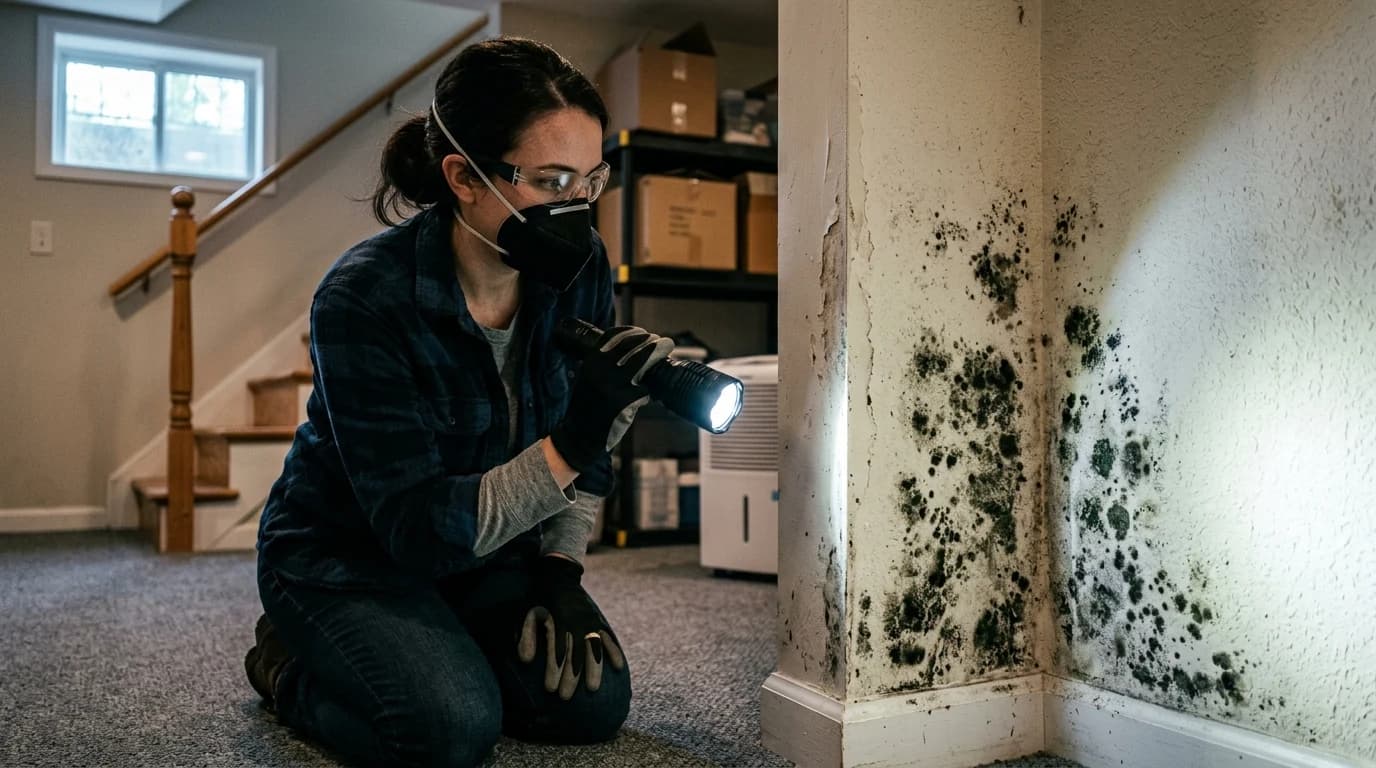
Detecting mold early is crucial for several reasons. Firstly, mold can cause significant health issues, ranging from mild allergic reactions to severe respiratory problems. Mold spores, once airborne, can be inhaled, leading to symptoms such as coughing, sneezing, and even asthma attacks. This is especially concerning for individuals with pre-existing health conditions, young children, and the elderly.
Secondly, mold can compromise the structural integrity of your home. It feeds on organic materials such as wood and drywall, causing these materials to weaken over time. This can result in costly repairs if the mold is not addressed promptly. For homeowners in Teaneck, NJ, where humidity levels can be high, it's particularly important to be vigilant about mold detection.
Routine home inspections, especially in areas prone to moisture, can help catch mold before it spreads. For a more thorough evaluation, professional mold inspections are recommended as they can identify mold in hidden areas such as behind walls or under flooring. Early detection not only saves money but also ensures a safer living environment for you and your family.
Secondly, mold can compromise the structural integrity of your home. It feeds on organic materials such as wood and drywall, causing these materials to weaken over time. This can result in costly repairs if the mold is not addressed promptly. For homeowners in Teaneck, NJ, where humidity levels can be high, it's particularly important to be vigilant about mold detection.
Routine home inspections, especially in areas prone to moisture, can help catch mold before it spreads. For a more thorough evaluation, professional mold inspections are recommended as they can identify mold in hidden areas such as behind walls or under flooring. Early detection not only saves money but also ensures a safer living environment for you and your family.
What are the visual signs of mold?
Mold can manifest in various forms, and recognizing these early signs is key to preventing its spread. Commonly, mold appears as black, green, or white patches, but it can also look fuzzy or slimy depending on the type and environment. These spots are often found in areas with high humidity, such as bathrooms, basements, and kitchens. Water stains or discoloration on walls and ceilings are also red flags, as they indicate moisture intrusion, a precursor to mold growth.
Pay close attention to corners, around windows, and beneath sinks, as these areas are particularly susceptible to mold. Another telltale sign is peeling or bubbling paint or wallpaper, which suggests moisture is trapped behind the surface, creating a breeding ground for mold.
If you observe any suspicious spots, it's advisable to conduct a closer examination. However, mold can be tricky to identify accurately without professional help. Engaging a mold specialist can provide a definitive diagnosis, ensuring that you address the problem effectively. Learn more about our services.
Pay close attention to corners, around windows, and beneath sinks, as these areas are particularly susceptible to mold. Another telltale sign is peeling or bubbling paint or wallpaper, which suggests moisture is trapped behind the surface, creating a breeding ground for mold.
If you observe any suspicious spots, it's advisable to conduct a closer examination. However, mold can be tricky to identify accurately without professional help. Engaging a mold specialist can provide a definitive diagnosis, ensuring that you address the problem effectively. Learn more about our services.
What odors indicate mold presence?
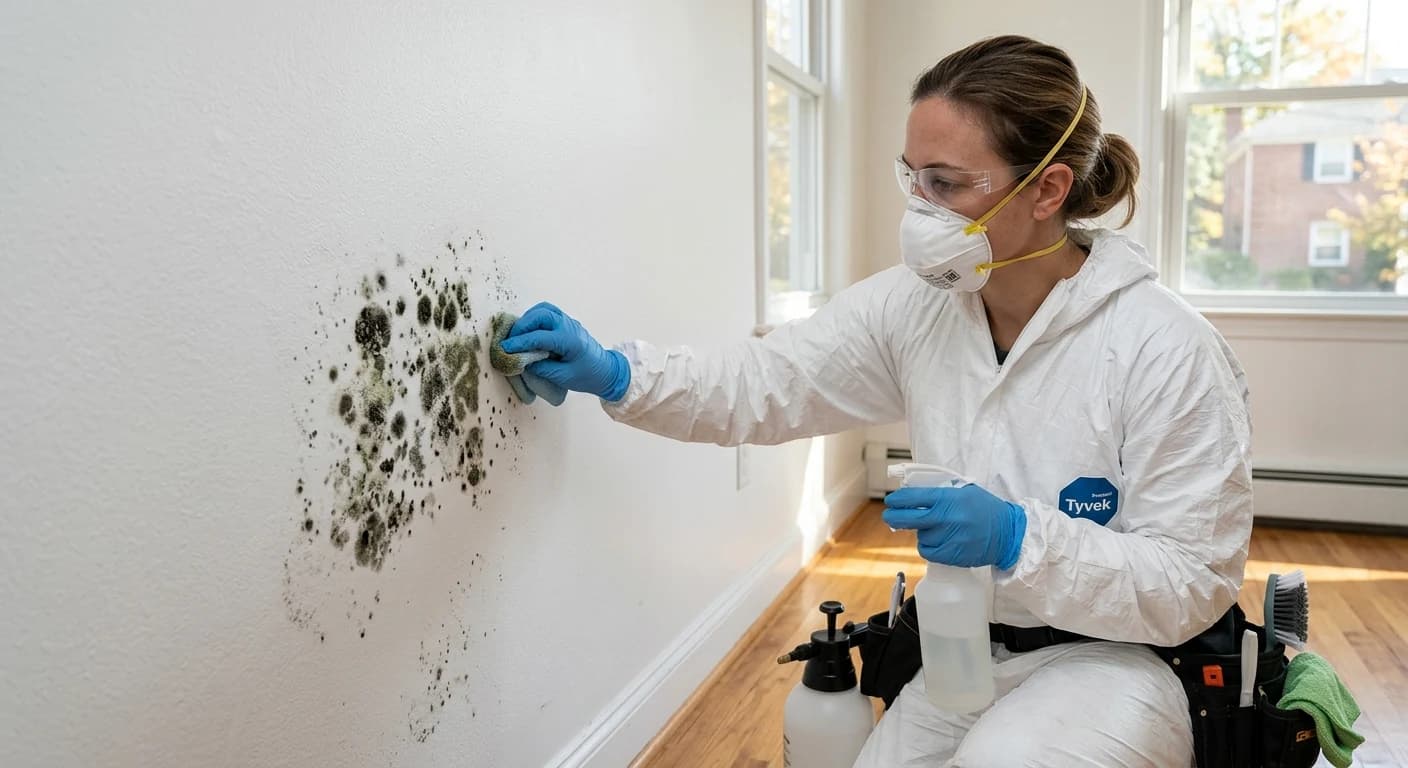
Odors can be a powerful indicator of hidden mold. A persistent musty or earthy smell, often likened to the scent of wet socks or rotting wood, suggests mold presence. This is typically more noticeable in closed spaces like basements, attics, or crawl spaces where ventilation is limited.
If you notice such odors, especially after a period of rain or high humidity, it's important to investigate further. Start by checking for visible signs of mold or moisture in the suspect areas. Improving ventilation by opening windows, using fans, or installing a dehumidifier can help mitigate the smell temporarily, but it won't eliminate the underlying issue if mold is present.
In some cases, the source of the odor may be hidden within walls or under floors, making it difficult to identify without professional assistance. A mold remediation expert can conduct air quality tests to detect airborne mold spores and identify hidden colonies. Addressing these early can prevent more extensive mold growth and the associated health risks.
If you notice such odors, especially after a period of rain or high humidity, it's important to investigate further. Start by checking for visible signs of mold or moisture in the suspect areas. Improving ventilation by opening windows, using fans, or installing a dehumidifier can help mitigate the smell temporarily, but it won't eliminate the underlying issue if mold is present.
In some cases, the source of the odor may be hidden within walls or under floors, making it difficult to identify without professional assistance. A mold remediation expert can conduct air quality tests to detect airborne mold spores and identify hidden colonies. Addressing these early can prevent more extensive mold growth and the associated health risks.
How to Prevent Mold Growth in Your Home
Preventing mold growth requires a proactive approach to managing moisture and maintaining a clean environment. Start by controlling humidity levels in your home, ideally keeping them below 50%. This can be achieved by using dehumidifiers, especially in basements and bathrooms, which are prone to higher humidity. Regularly empty and clean these devices to ensure they function effectively.
Proper ventilation is crucial. Ensure that areas such as kitchens and bathrooms are equipped with exhaust fans to expel excess moisture. When cooking, showering, or running a dishwasher, use these fans to reduce humidity. Additionally, regularly open windows to allow fresh air circulation, which helps in drying out damp areas.
Address any water leaks promptly. Check plumbing fixtures, roofs, and windows for leaks and repair them immediately to prevent moisture accumulation. It's also wise to clean and repair gutters regularly to ensure they direct water away from your home's foundation.
Finally, consider using mold-resistant products during renovations, such as mold-resistant drywall or paint. These can provide an extra layer of protection in areas susceptible to mold. By taking these preventive measures, you can significantly reduce the likelihood of mold growth in your home, ensuring a healthier living environment.
Proper ventilation is crucial. Ensure that areas such as kitchens and bathrooms are equipped with exhaust fans to expel excess moisture. When cooking, showering, or running a dishwasher, use these fans to reduce humidity. Additionally, regularly open windows to allow fresh air circulation, which helps in drying out damp areas.
Address any water leaks promptly. Check plumbing fixtures, roofs, and windows for leaks and repair them immediately to prevent moisture accumulation. It's also wise to clean and repair gutters regularly to ensure they direct water away from your home's foundation.
Finally, consider using mold-resistant products during renovations, such as mold-resistant drywall or paint. These can provide an extra layer of protection in areas susceptible to mold. By taking these preventive measures, you can significantly reduce the likelihood of mold growth in your home, ensuring a healthier living environment.
When to Call a Professional Mold Remediation Service
While minor mold issues can sometimes be handled with DIY methods, there are situations where professional intervention is necessary. If mold covers an area larger than 10 square feet, it's advisable to call a professional mold remediation service. Large infestations can pose significant health risks and require specialized equipment and expertise to address safely.
Additionally, if the mold is caused by contaminated water, such as sewage or floodwater, professional help is crucial. These types of mold require specific handling and disposal methods to prevent health hazards. Another red flag is if mold keeps returning despite repeated cleaning efforts; this indicates an underlying issue that needs professional diagnosis and resolution.
In cases where mold is hidden behind walls or under flooring, professionals can conduct thorough inspections using advanced tools like infrared cameras and moisture meters to locate and assess the extent of the problem. They can also perform air quality tests to determine the presence and concentration of mold spores in your home.
Hiring a certified mold remediation company ensures that the mold is removed safely and effectively, reducing the risk of recurrence. This is particularly important in areas like Teaneck, where high humidity can exacerbate mold issues. Professional services not only provide peace of mind but also protect your home's value and your family's health.
Additionally, if the mold is caused by contaminated water, such as sewage or floodwater, professional help is crucial. These types of mold require specific handling and disposal methods to prevent health hazards. Another red flag is if mold keeps returning despite repeated cleaning efforts; this indicates an underlying issue that needs professional diagnosis and resolution.
In cases where mold is hidden behind walls or under flooring, professionals can conduct thorough inspections using advanced tools like infrared cameras and moisture meters to locate and assess the extent of the problem. They can also perform air quality tests to determine the presence and concentration of mold spores in your home.
Hiring a certified mold remediation company ensures that the mold is removed safely and effectively, reducing the risk of recurrence. This is particularly important in areas like Teaneck, where high humidity can exacerbate mold issues. Professional services not only provide peace of mind but also protect your home's value and your family's health.
How to Safely Clean Small Mold Infestations
For small mold infestations, typically less than 10 square feet, you can often tackle the problem yourself with proper precautions. Start by wearing protective gear, including gloves, goggles, and a mask rated for mold spore protection. This prevents exposure to mold spores, which can be harmful if inhaled or if they come into contact with your skin.
Next, isolate the affected area from the rest of your home to prevent spores from spreading. Close doors and windows, and seal off vents with plastic sheeting. Use a solution of water and detergent to scrub mold off hard surfaces. Avoid using bleach, as it can sometimes exacerbate mold issues by providing moisture that encourages further growth.
After cleaning, thoroughly dry the area with fans or dehumidifiers to remove any remaining moisture. Dispose of any porous materials like carpets or ceiling tiles if they are heavily infested, as mold can penetrate these materials deeply, making it difficult to remove completely.
Finally, monitor the area for any signs of recurring mold. If mold reappears, it may indicate a moisture problem that needs addressing. Ensure that the area is well-ventilated and that humidity levels are kept low to prevent future mold growth. If the problem persists, consider seeking professional advice to identify and resolve any underlying issues.
Next, isolate the affected area from the rest of your home to prevent spores from spreading. Close doors and windows, and seal off vents with plastic sheeting. Use a solution of water and detergent to scrub mold off hard surfaces. Avoid using bleach, as it can sometimes exacerbate mold issues by providing moisture that encourages further growth.
After cleaning, thoroughly dry the area with fans or dehumidifiers to remove any remaining moisture. Dispose of any porous materials like carpets or ceiling tiles if they are heavily infested, as mold can penetrate these materials deeply, making it difficult to remove completely.
Finally, monitor the area for any signs of recurring mold. If mold reappears, it may indicate a moisture problem that needs addressing. Ensure that the area is well-ventilated and that humidity levels are kept low to prevent future mold growth. If the problem persists, consider seeking professional advice to identify and resolve any underlying issues.
Understanding Mold Health Risks and Vulnerable Populations
Mold exposure can lead to a variety of health issues, particularly for vulnerable populations such as children, the elderly, and those with pre-existing health conditions like asthma or allergies. Mold spores can trigger allergic reactions, resulting in symptoms such as sneezing, runny nose, red eyes, and skin rashes. For individuals with asthma, mold exposure can exacerbate symptoms, leading to more frequent or severe asthma attacks.
In some cases, prolonged exposure to mold can lead to more serious respiratory issues, including chronic sinus infections or even lung infections in those with weakened immune systems. It's important to recognize these health risks and take preventive measures to minimize exposure, especially in homes where vulnerable individuals reside.
Regularly inspecting your home for signs of mold and maintaining a clean, dry environment are crucial steps in protecting your family's health. In areas like New Jersey, where humidity can fluctuate, using dehumidifiers and ensuring proper ventilation can significantly reduce the risk of mold growth.
If you suspect that mold is affecting your health, consult a healthcare professional for advice. They can provide guidance on managing symptoms and may recommend allergy testing to determine specific sensitivities. Understanding the health implications of mold is essential for taking proactive steps to safeguard your living environment and well-being.
In some cases, prolonged exposure to mold can lead to more serious respiratory issues, including chronic sinus infections or even lung infections in those with weakened immune systems. It's important to recognize these health risks and take preventive measures to minimize exposure, especially in homes where vulnerable individuals reside.
Regularly inspecting your home for signs of mold and maintaining a clean, dry environment are crucial steps in protecting your family's health. In areas like New Jersey, where humidity can fluctuate, using dehumidifiers and ensuring proper ventilation can significantly reduce the risk of mold growth.
If you suspect that mold is affecting your health, consult a healthcare professional for advice. They can provide guidance on managing symptoms and may recommend allergy testing to determine specific sensitivities. Understanding the health implications of mold is essential for taking proactive steps to safeguard your living environment and well-being.